

Aluminum Facade Cladding: Definition, Advantages and Application Stages
Aluminum facade cladding is an exterior building material used to cover the exteriors of buildings in an aesthetic and durable manner. Here’s what you need to know about aluminum facade cladding:
Description and Features:
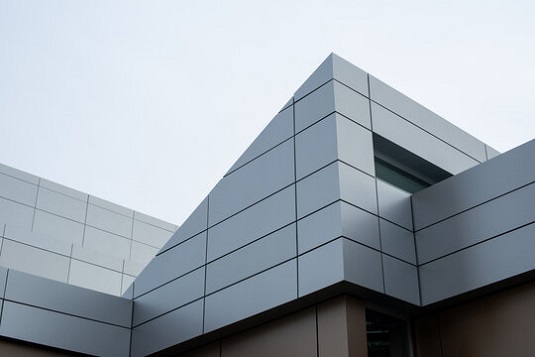
Aluminum facade cladding is an exterior cladding system created by mounting aluminum sheets on the exterior of buildings.
These coatings offer a variety of color and pattern options and can significantly improve the aesthetic appearance of the building.
Aluminum’s lightness, durability and resistance to corrosion are the reasons why these coatings are preferred.
Advantages:
Aesthetic Appeal: Aluminum facade cladding offers a variety of color and pattern options. This enables great creativity in the design of the exterior of buildings and makes it possible to achieve aesthetically appealing results.
Lightness and Durability: Aluminum is lightweight yet strong and durable. Thanks to these features, it provides long-lasting performance.
Easy Machinability: Aluminum can be easily shaped and machined. This provides suitability for different design needs.
Long Life and Low Maintenance: Aluminum cladding systems are long-lasting and require low maintenance.
Energy Efficiency: By using thermal cut-out technology, thermal bridges are prevented and energy efficiency is increased.
Application Stages:
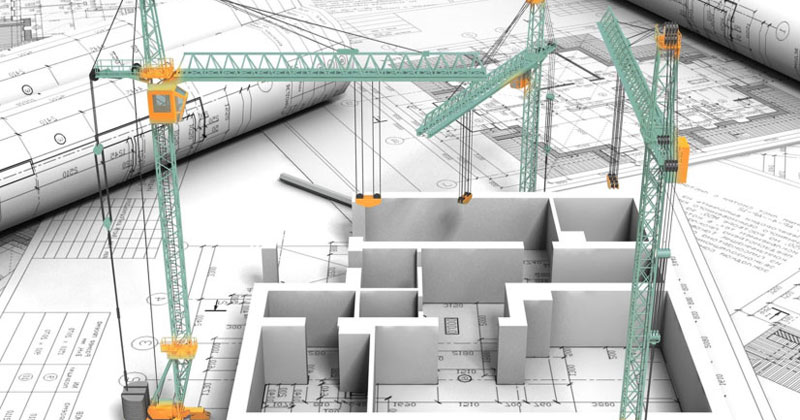
Aluminum facade systems are designed to specific dimensions and produced specifically for the project.
Discovery teams make the necessary measurements and begin the design process.
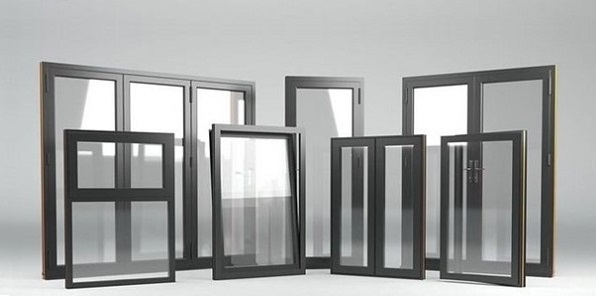
Designed aluminum facade systems provide an exterior cladding created with building materials such as glass, composite panels, ceramics, fine pebbles and wood placed within an aluminum frame.
Aluminum cladding has become a popular exterior building material among architects, contractors and the general public due to its long-lasting performance and high aesthetics.
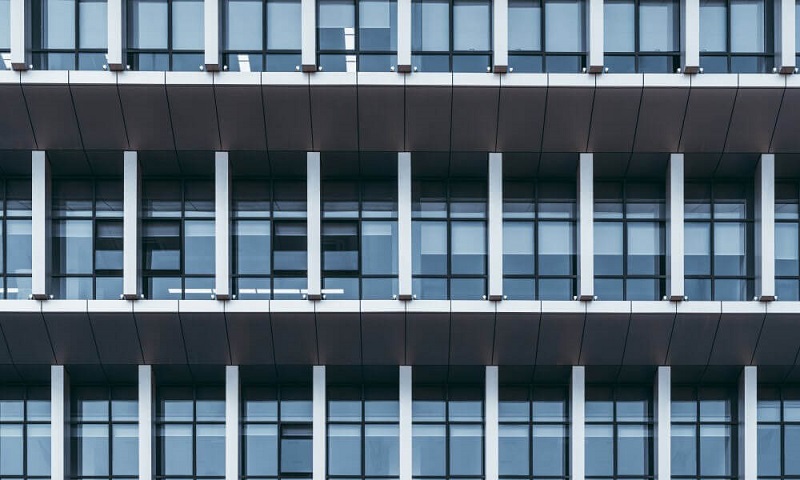
Aluminum facade claddings are increasingly used due to their ability to efficiently provide both the static structure and aesthetic appearance of buildings.
